Hours
Mon–Fri, 7:30 AM–5:00 PM; Sat, 9:00 AM–1:00 PM
Mon–Fri, 7:30 AM–5:00 PM; Sat, 9:00 AM–1:00 PM
9670 Monterey Rd, Morgan Hill, CA 95037
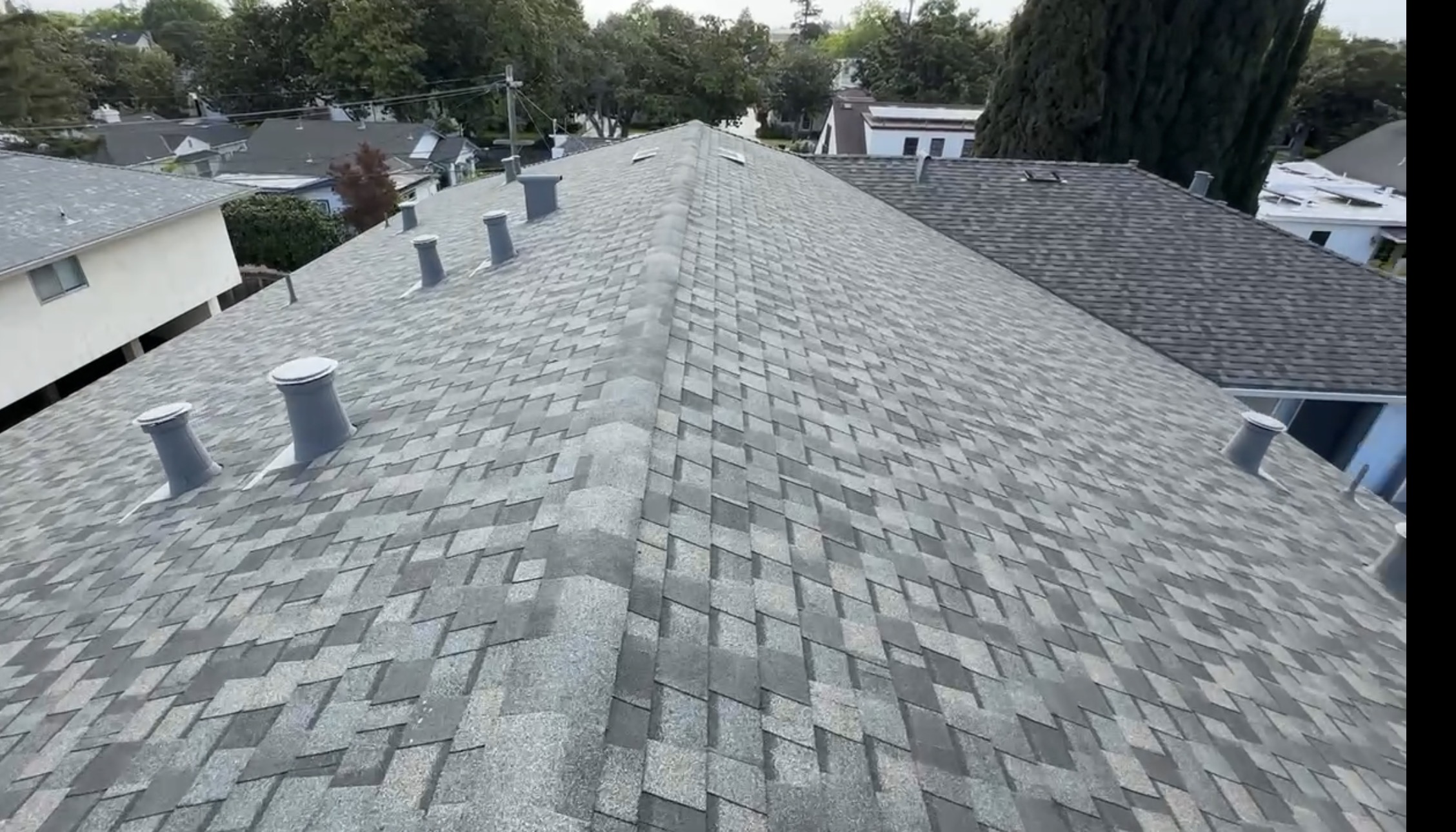
Modified bitumen remains a strong option for low-slope commercial roofs where membrane layering, primer systems, and drainage behavior are critical. We coordinate base/cap layering by deck condition and exposure.
Base/cap
Primers/adhesives
Flashings
Insulation board
Perimeter closures
Seam protection
Attachment support
Pressure-controlled self-adhesive systems for projects where open flame use is limited and clean jobsite controls are preferred.
Torch-applied membranes used where controlled heat bonding and full wetting are part of the required performance profile.
Cold-adhered pathways used for sensitive conditions where rapid thermal installation methods are constrained.
Base membrane
A clean-install base for modified-bitumen assemblies where controlled adhesion and consistent overlap geometry are needed. It supports dry weather continuity and reduces handling risks during phased work.
Adhesive kit
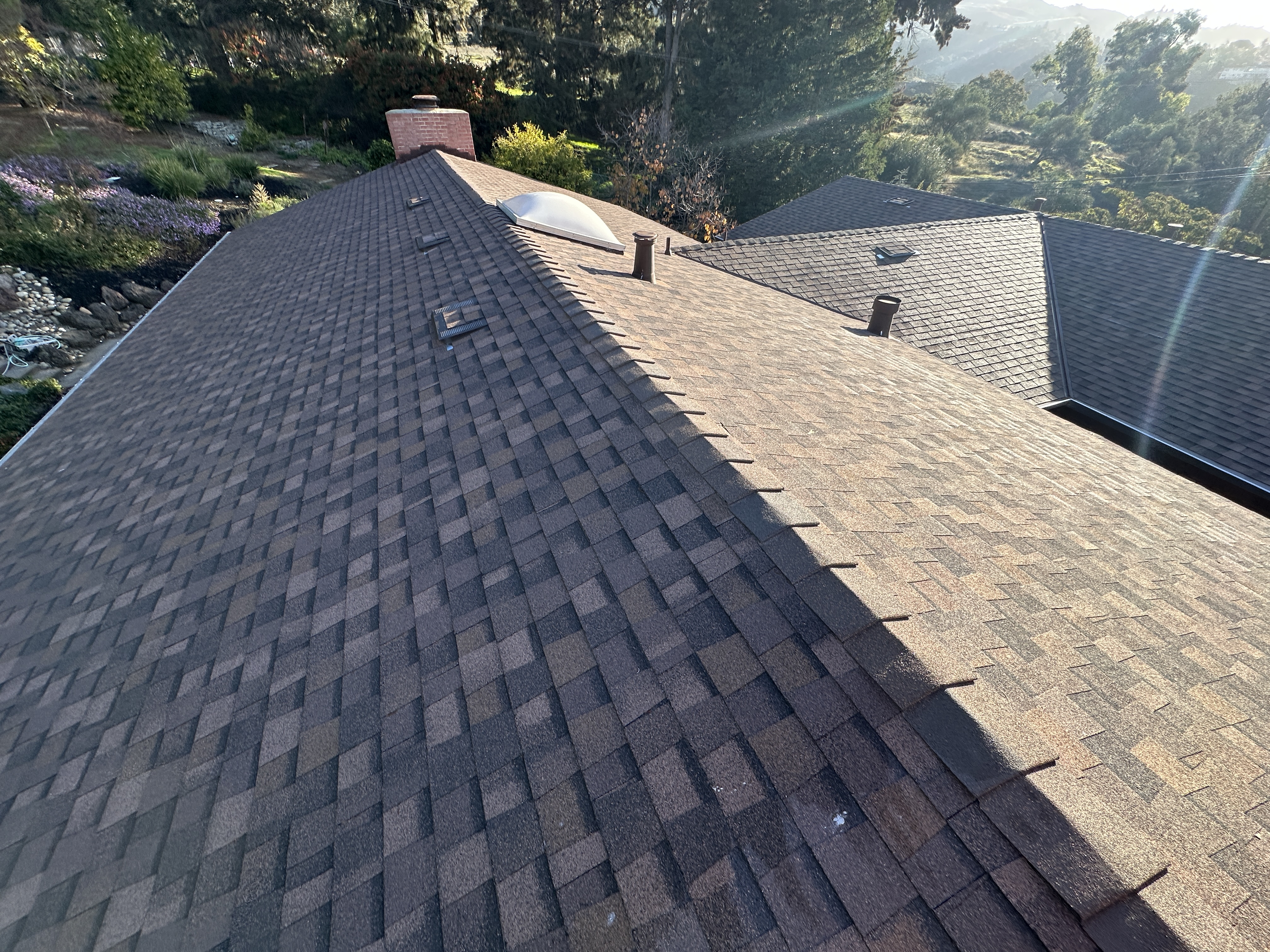
Cold bond system for specific conditions where flame bonding is not allowed. This path pairs with mechanical reinforcement at terminations and transitions for reliable edge restraint.
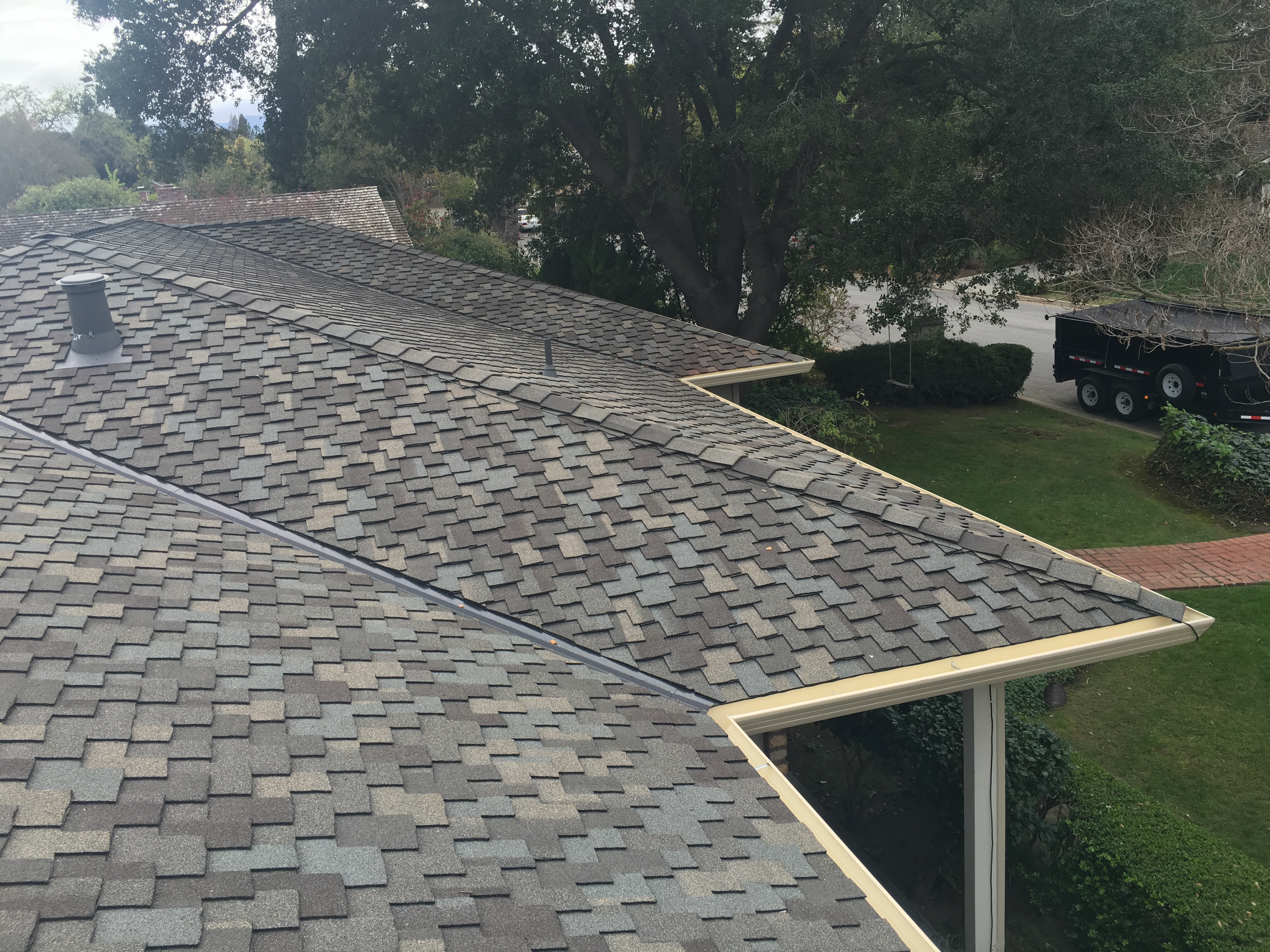

Modified bitumen profiles with strong field support for complex low-slope projects.
Modified bitumen membrane
A flexible modified-bitumen profile with robust compatibility for commercial low-slope conditions and mixed penetration points. We specify proper flashings and top-surface cap for long-term continuity.
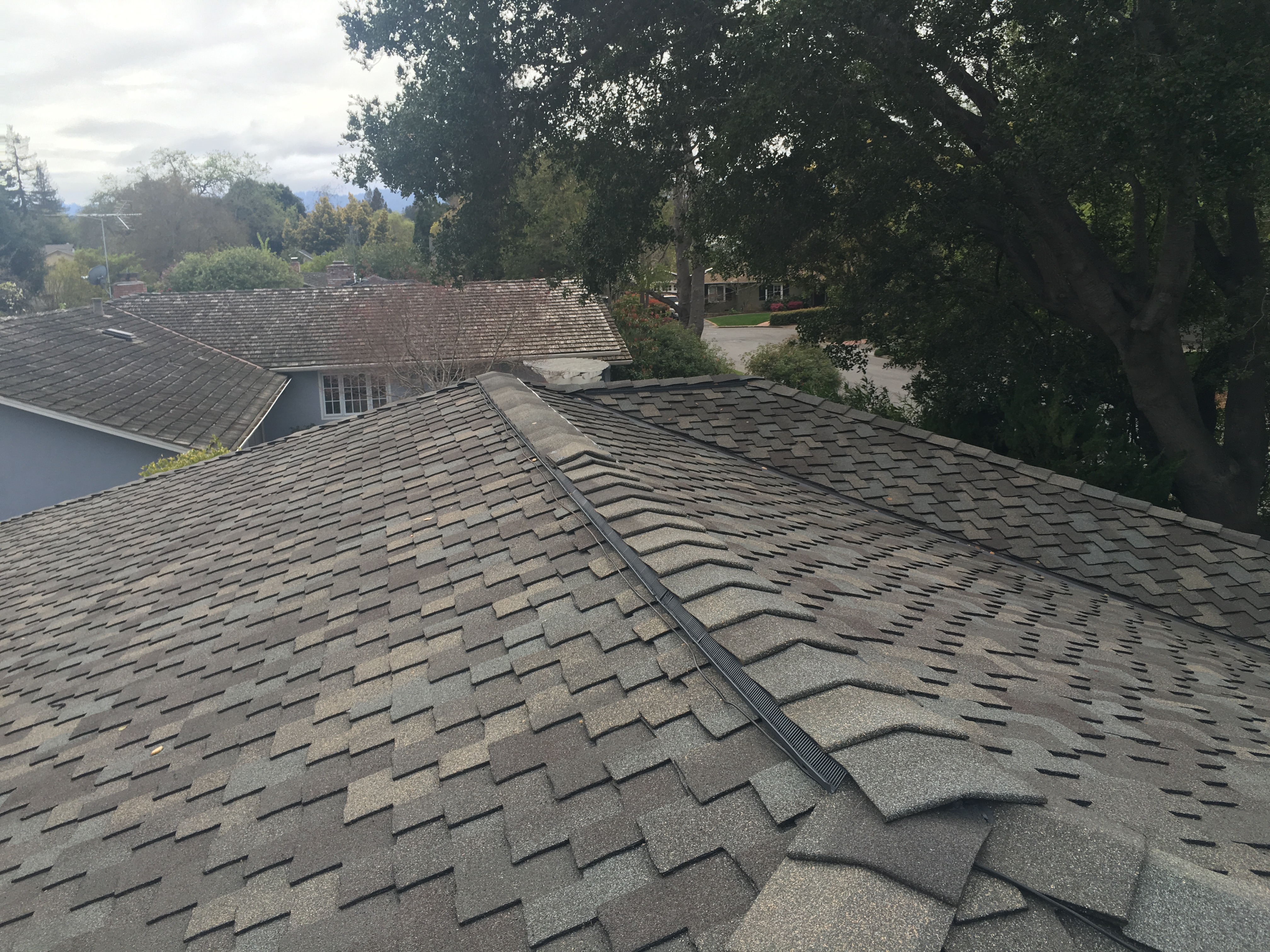

Modified-bitumen systems that match legacy commercial systems and service workflows.
Torch-down membrane
A tough membrane platform with controlled adhesion workflow and clear flash transitions. It is useful in roofs with active transitions and higher runoff concentration near edges and drains.
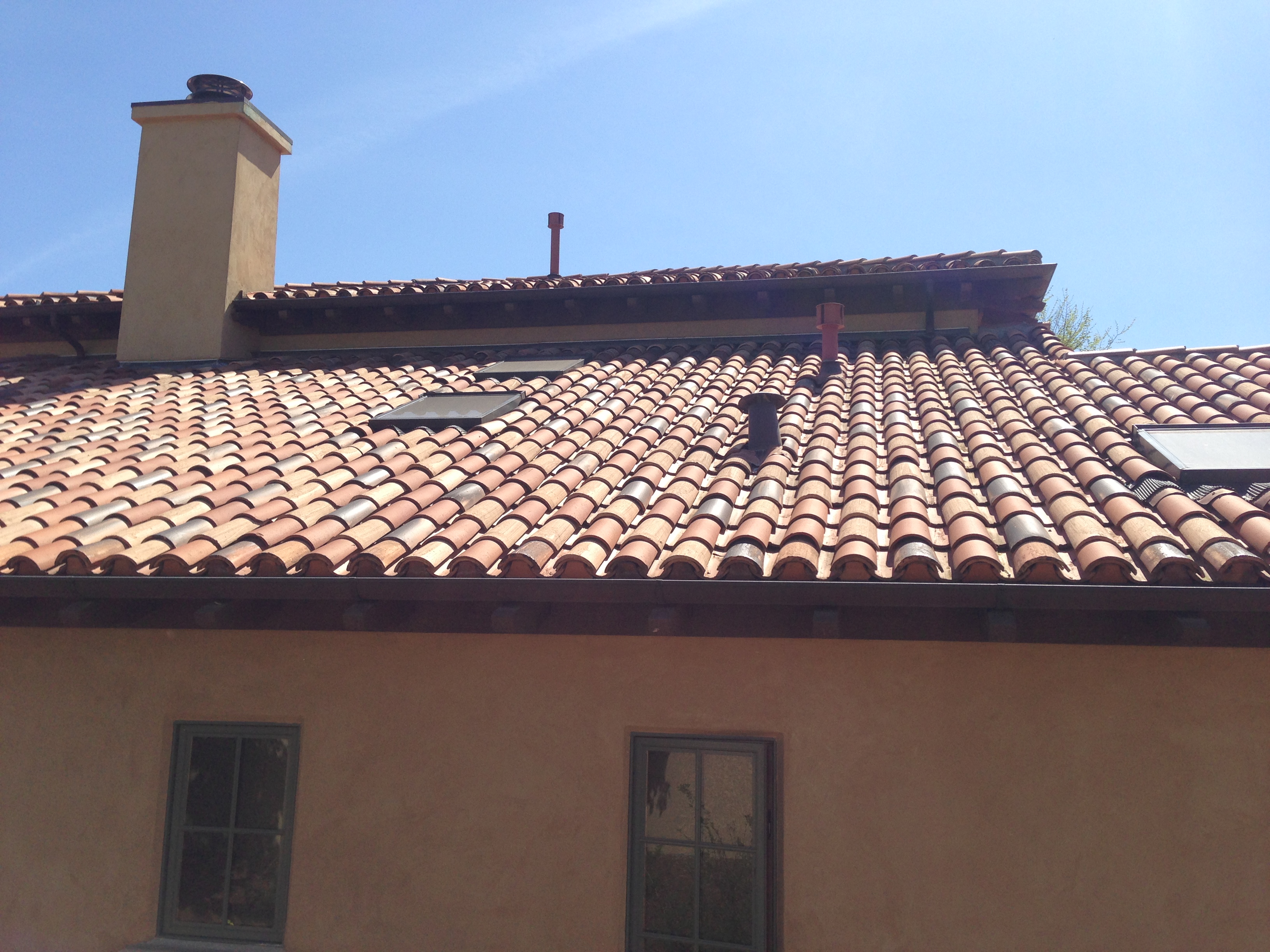
Availability varies by supplier and branch location. We source materials through California distributors based on your project needs.
Yes. We use it where roof form and drain strategy support compatible detailing. Residential projects still need full deck, transition, and penetrations planning.
No. Application method should follow safety constraints, deck conditions, schedule, and local code. Self-adhered and cold-applied options are used where heat is constrained.
They are durable, but all membranes need inspection at perimeter details, flashings, and fastener points as part of maintenance planning.
Architectural and designer shingles with complete CA-ready assemblies.
Concrete and clay tile systems focused on long-term durability and detail control.
Standing-seam and exposed-fastener metal systems for low or steep slopes.
Single-ply membrane systems for commercial and commercial-style performance.
Share project geometry, timeline, and budget so we can recommend the right system and manufacturer options.