
Conditions on the inspection date
The report can identify visible wear, damage, openings, drainage problems, prior repairs, and other conditions in roof areas that were safely accessible.
Visual roof inspection and condition reporting
A useful roof inspection records what was visible, what was not accessible, why an observed condition matters, and what should happen next. Winter Roofing keeps those four parts separate so a condition report can support a repair decision without overstating what a visual visit proves.
We inspect accessible residential and commercial roof areas, organize evidence by roof section, and distinguish an observed defect from a likely leak path or a concealed condition that needs another step.
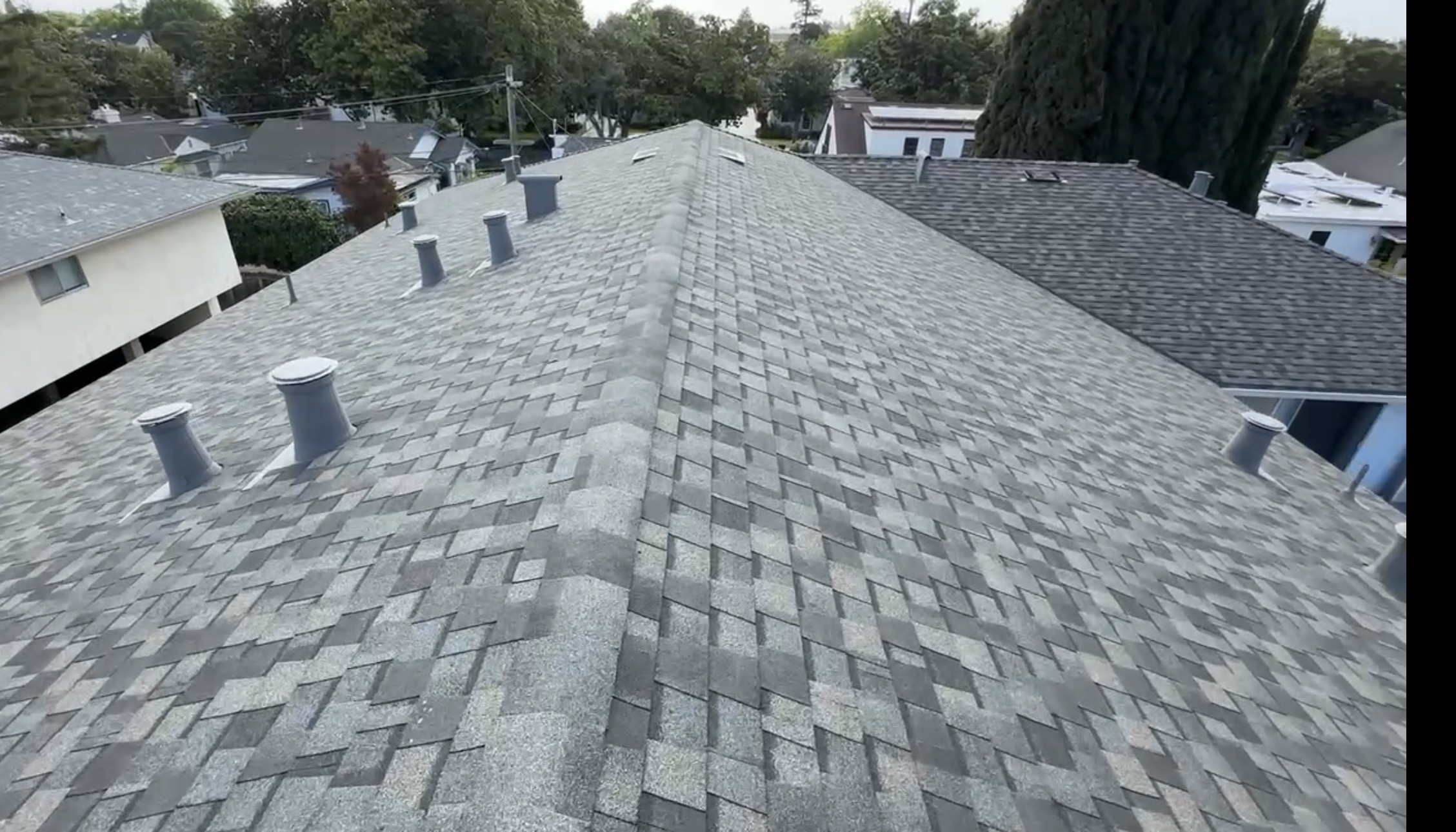
Scope before conclusions
The inspection is a dated record of visible, accessible roof conditions. Its value comes from keeping observation, interpretation, and limitation separate.
The report can identify visible wear, damage, openings, drainage problems, prior repairs, and other conditions in roof areas that were safely accessible.
Roof-area IDs and photo references connect an observation to a slope, low-slope section, edge, transition, penetration, drain, or interior clue.
Each finding can be assigned to prompt protection, repair soon, maintenance, monitor, or replacement/specialist planning.
A report can support a defined repair scope, a maintenance list, replacement planning, or a recommendation for further evaluation.
Choose the report by the decision
Tell us what decision the report needs to support. That determines the history to collect, the roof areas to emphasize, the evidence format, and the boundary language.
Field checklist
These are visual checkpoints, not a promise that every component can be walked, opened, tested, or verified. Expand the groups relevant to the property.
The surface review changes with the roof system, but it always separates visible covering condition from the concealed water-control layers below.
Many leaks begin where the roof changes direction, changes material, meets a wall, or ends.
The inspection reviews the roofing interface around equipment and openings, not the operation of the equipment itself.
Drainage observations follow the path water is expected to take from upper roof areas to the final discharge point.
Client history and interior evidence help direct the roof review, but neither replaces observable roof evidence.
Evidence that remains useful later
Confirm the report format in the inspection scope. A condition report is most useful when another person can find the same roof area, understand the observation, and see why the next step was recommended.
Property, date, weather, inspection type, roof age if known, reported leak history, prior work, and documents supplied by the client.
Consistent area IDs, roof-system type, approximate slope category, drainage direction, penetrations, equipment, and access method.
Finding ID, area, component, neutral observation, photo reference, significance, priority, recommendation, and stated limitation.
Areas not walked or not visible, weather constraints, concealed components, excluded testing, and questions that remain open.
Prompt protection, repair scope, maintenance, monitoring trigger, replacement planning, or specialist referral grouped in a usable order.
When earlier reports are available, repeat the same area names and views so movement, wear, drainage, and repair history can be compared year over year.
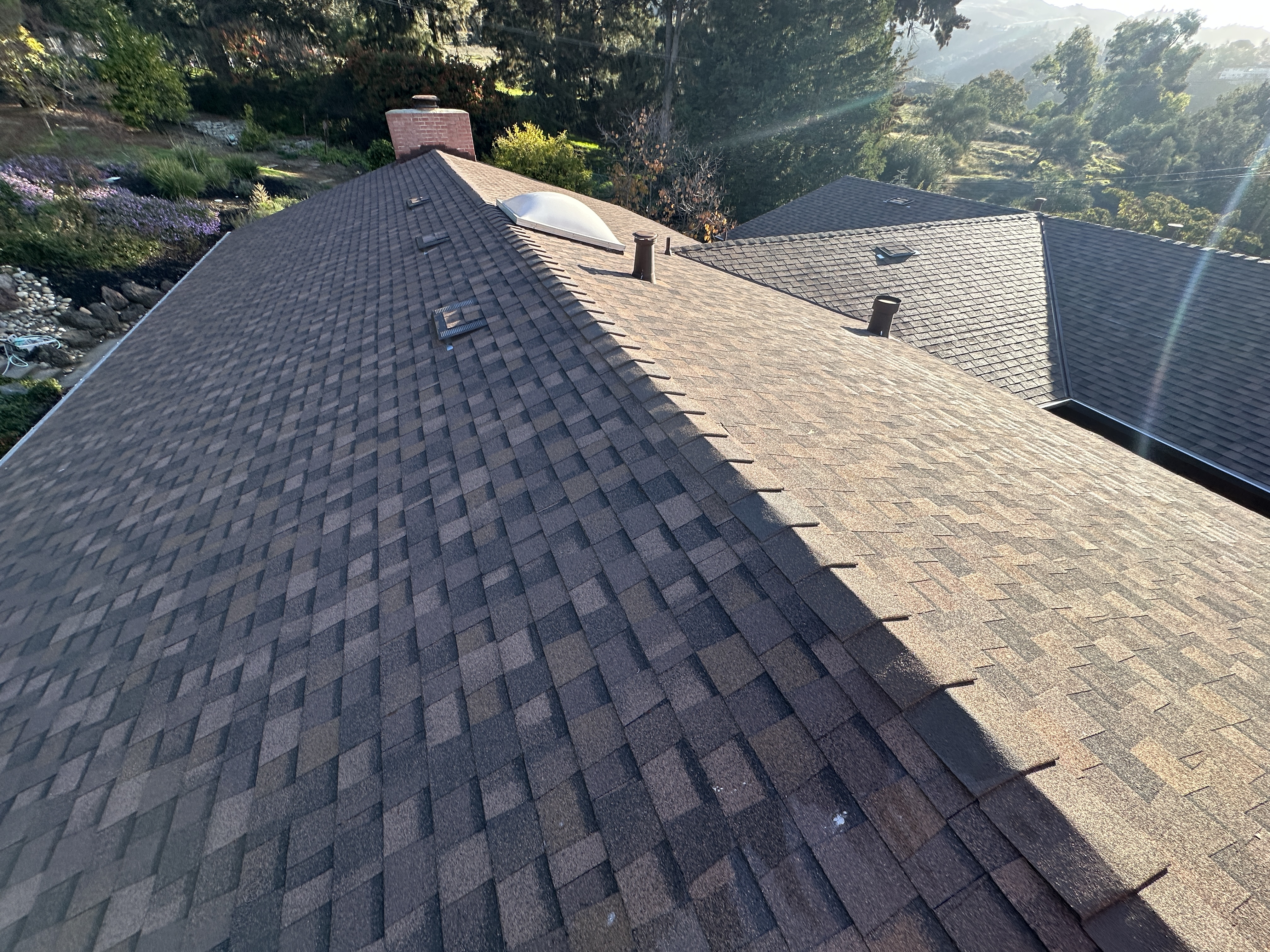
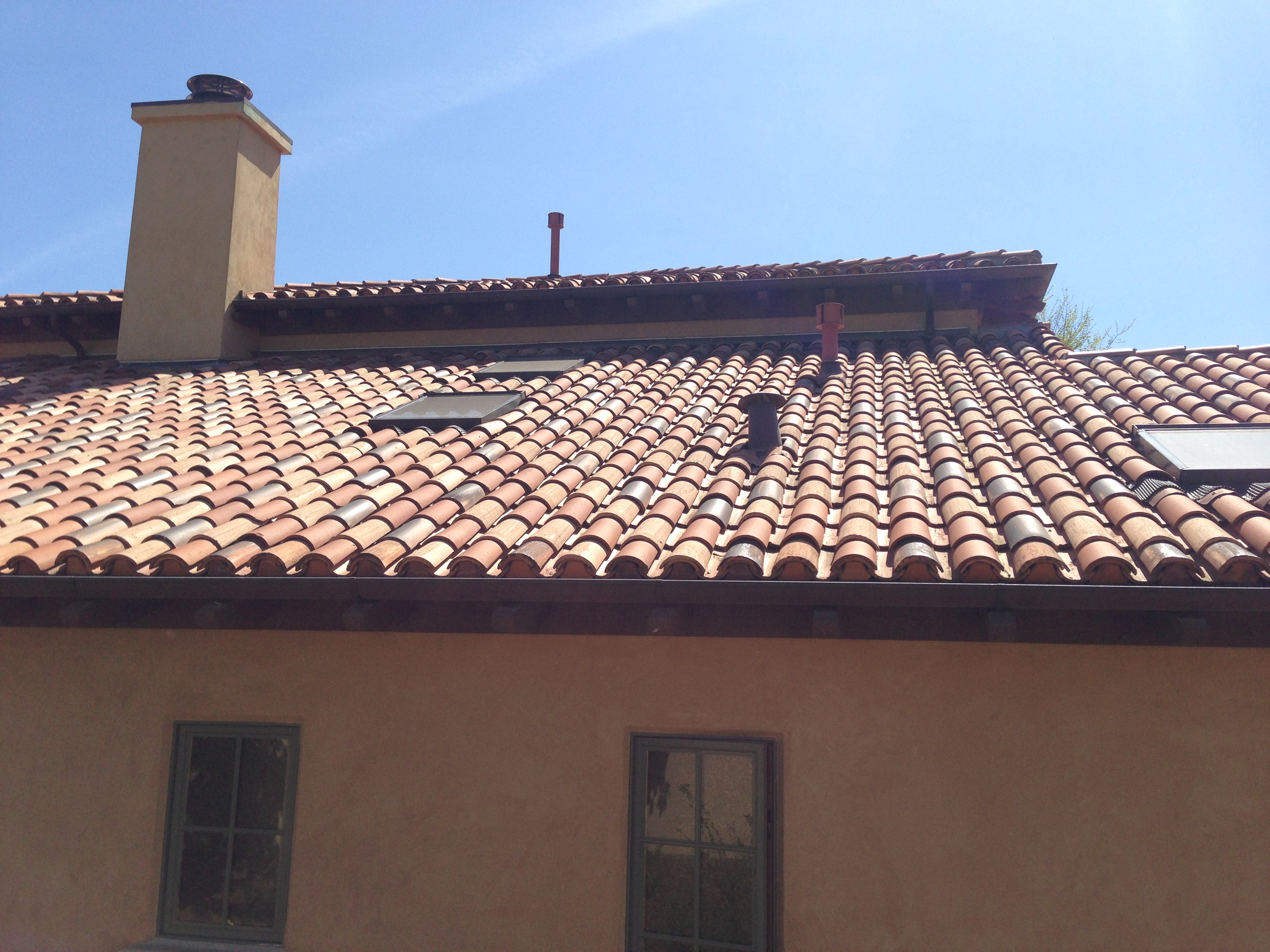
From evidence to action
Urgency reflects the visible consequence and exposure on the inspection date. It is not a prediction of the exact day a component will fail.
Act promptly
Active water entry, an exposed opening, a displaced component, or another visible condition with immediate weather or safety consequences.
Next step: Protect the area if needed, define the repair, and document any condition that can only be confirmed after opening the assembly.
Schedule before the next heavy-weather cycle
A localized defect is not known to be leaking now but presents a credible near-term water-entry or deterioration risk.
Next step: Prepare a written repair scope tied to the roof area and photo evidence.
Add to the next service visit
Debris, drainage restriction, early sealant or fastener wear, or another service item can be addressed without rebuilding a failed assembly.
Next step: List the maintenance task, affected area, and whether follow-up photos are needed.
Set a date or event trigger
A condition is stable, early-stage, or not supported by enough evidence to recommend corrective work now.
Next step: Retain a baseline photo and recheck at the next scheduled visit, after major weather, or if symptoms change.
Resolve the open decision before major work
Deterioration is widespread, repairs are recurring, a concealed layer is central to the decision, or the issue belongs to another discipline.
Next step: Begin replacement planning or obtain the appropriate testing, engineering, trade, warranty, or insurance review.
A referral is not a failed inspection. It is the correct result when the next decision depends on concealed data, structural analysis, another trade, or a third party's determination.
Consider a separate written scope when trapped moisture, concealed tile underlayment, wet insulation, deck damage, or hidden flashing geometry will change the repair or replacement decision. Destructive access needs owner authorization and a plan to restore the opening.
Visible sagging, significant deflection, framing movement, load questions, or suspected structural deterioration should be evaluated by a qualified engineer rather than resolved through a roofing condition opinion.
A roof inspection can document the visible roofing interface around equipment and penetrations. Equipment operation, wiring, venting, combustion, plumbing, masonry, and trade-specific compliance belong to the appropriate contractor.
Mold, asbestos, lead, pest activity, rot organisms, and indoor-air concerns require the qualified specialist and are not established by a visual roof inspection.
Photos can document conditions on the inspection date, but claim coverage, storm causation, scope valuation, and adjustment decisions belong to the insurer, adjuster, or retained forensic professional.
Service boundaries
The condition report documents and prioritizes. Any maintenance, repair, testing, replacement, or commercial program should have its own written scope.
Use this path when the report identifies a localized defect or when repair access is needed to confirm a likely leak path.
Use this path for recurring drainage, debris, surface-care, and condition-tracking work that does not require a defined repair assembly.
Use this path when deterioration is widespread, repairs are repeating, or concealed layers are likely to control the next project.
Use this path when multiple roof areas, rooftop equipment, access coordination, maintenance programs, or capital planning need a broader commercial scope.
Terms that should stay explicit
The written proposal and report control the actual scope. These general boundaries prevent a visual condition report from being mistaken for a certification, warranty, permit decision, claim decision, or invasive test.
A condition report is not a roof certification or warranty. A certification or warranty must be separately offered, scoped, written, and issued under its own terms. Warranty coverage and acceptance are decided by the warrantor.
Visible age and deterioration can support repair or replacement planning, but a visual inspection cannot assign an exact remaining life or predict the date of a future leak.
The report may flag visible items that could affect repair or reroof scope. It does not certify code compliance or permit approval; the local authority having jurisdiction makes those decisions for the actual project.
The report is not insurance adjusting, coverage analysis, damage valuation, or a determination of storm causation. It documents visible conditions and client-provided history on the inspection date.
No destructive opening, water test, moisture scan, laboratory analysis, or removal of roofing is included unless a separate scope describes the method, authorization, restoration, and limitations.
Steep, wet, fragile, high, obstructed, solar-covered, locked, or unsafe areas may be viewed from a limited position or not inspected. Dry-weather observations may not reproduce intermittent wind-driven or heavy-rain leakage.
The inspection does not establish structural adequacy or the condition of solar, electrical, HVAC, plumbing, chimney, wall, pest, mold, asbestos, or other non-roofing systems.
Frequently asked questions
Sometimes. A source can be described as confirmed when water entry is directly observed, reproduced through separately authorized testing, or exposed during repair. Otherwise the report should describe the visible defect and any evidence-supported likely path without presenting it as certain.
No. Roof access depends on slope, height, surface condition, weather, fragility, obstructions, solar arrays, and other safety conditions. The report should state how each area was viewed and identify areas that were not safely accessible.
Only where the underlayment is visible or exposed. Leak patterns, displaced tile, and vulnerable edges can raise concern, but intact tile conceals most of the underlayment and may require controlled access or repair openings to evaluate further.
It can identify clues such as staining, soft-area observations, blisters, failed seams, ponding, or repeated repairs, but it cannot map or confirm concealed moisture reliably without separately scoped testing or exploratory work.
No. A pre-purchase report documents visible roof conditions and recommendations. A roof certification is a separate written instrument with its own repair, warranty, and term requirements and should never be implied by a general condition report.
It can discuss visible age, deterioration, repair history, and replacement indicators, but it should not promise an exact remaining life. Weather, concealed layers, installation quality, drainage, maintenance, and future events all affect performance.
Yes, when repeat reports use consistent roof-area names, photo angles, finding IDs, and condition terms. Prior reports and repair records should be supplied before the visit so changes can be compared accurately.
Not automatically. Inspection, maintenance, testing, and repair are different scopes. The proposal should say whether the visit is documentation only or includes any limited maintenance or corrective work.
No. It may flag visible questions that affect a roofing scope, but the local building authority decides code and permit matters, and the manufacturer or other warrantor decides warranty coverage and acceptance.
Share roof age and system if known, leak dates and locations, weather conditions when leakage occurs, prior reports and repairs, warranty documents, property access, attic or interior access, rooftop equipment, and the decision the report needs to support.
Start with the decision you need to make
Share the property type, roof system if known, leak or work history, access details, timing, and how you plan to use the report.
Tell us whether you need leak diagnostics, a pre-purchase record, maintenance baseline, reroof planning, post-work documentation, or a commercial condition report.