Sacramento Roofing Services

Roofing Services in Sacramento, CA

Sacramento roofs take harder inland heat, hotter attics, and winter storms that quickly expose weak roof details.

We help Sacramento owners sort out leak repairs, reroof decisions, drainage issues, and roof condition questions before small problems turn into bigger winter-season failures.

Serving Sacramento for suitable residential and commercial roofing projects.

Common Sacramento roof calls

  • First-rain leaks after a long dry summer
  • Hot upstairs rooms and overheated attics
  • Overflow at valleys, gutters, or discharge points
  • Aging roofs with too many old patches

Local roofing context

Why Sacramento roofs age differently

Long hot summers, strong sun exposure, and hotter attic conditions put more stress on Sacramento roofs than many owners expect.

Flashings, pipe boots, sealants, skylight details, and exposed penetrations can dry-age quietly through the rainless months. When storms return, the first leak often shows up at the exact transition that spent the summer hardening in the heat.

That same seasonal pattern changes drainage priorities. Valleys, gutters, outlets, and roof-edge drainage paths may look fine through summer, then struggle once concentrated runoff returns from October into spring. That is why Sacramento reroof planning usually gives more weight to attic heat, heat-aged penetrations, and drainage exits than a cooler, less heat-loaded roof would.

Hot, dry summer cycle

70 F to 112 F

The city's published summer dry-period temperature range pairs with roughly 2% to 30% relative humidity, which is tough on attic temperatures, sealants, pipe boots, and exposed flashings.

Rain comes back in season

Oct to Apr

About 19 inches of annual rainfall arrives mostly from October through April, so roofs can age quietly for months and then reveal leaks fast with the first serious storm pattern.

Drainage is still engineered

3 in/hr

Sacramento's local drainage amendment uses a 3 inch-per-hour basis for roof drains, leaders, gutters, and storm sewer sizing, which is why overflow planning still matters in a dry-summer market.

Common Sacramento roofing problems

What Sacramento owners usually notice first

First-rain leaks

Sacramento roofs can stay quiet through the dry months, then start leaking quickly once winter storms return to tired flashings, penetrations, and transition details.

Heat-aged flashings and pipe boots

Long hot summers are hard on exposed rubber and sealant details, so small leaks often trace back to penetrations and aging flashing rather than the field roofing alone.

Repeated patch areas

Older roofs with several rounds of patching often need a better answer than another spot fix, especially when the same section keeps reopening with each storm cycle.

Tile roofs failing below the surface

A Sacramento tile roof can look serviceable from the street while the underlayment, valley metal, or penetration flashing below it is already near failure.

Overflow at valleys, gutters, and discharge points

Dry-season debris and undersized drainage paths often stay unnoticed until winter runoff concentrates at valleys, gutters, outlets, and discharge points.

Hot upstairs rooms

When the upper floor is much hotter than the rest of the house, the roof discussion usually needs to include attic heat load, vent balance, and overall roof-system condition.

Core services

Sacramento roofing services

These are the service areas that usually matter most once Sacramento heat, drainage, patch history, and winter leak patterns are tied back to the actual roof condition.

Roof Repair in Sacramento

Leak diagnostics, targeted repairs, and flashing corrections at penetrations, valleys, roof-to-wall transitions, skylights, and drainage change points.

Why it matters in Sacramento: Many Sacramento repair calls start with the first winter storms, when heat-aged penetrations, flashings, and older patch areas finally get tested again.

Common triggers

  • A leak that appears with the first strong rain after months of dry weather
  • A repeated patch area that never stays quiet for long
  • Cracked sealants or flashing fatigue around penetrations and transitions
  • Tile roof leakage where the problem may sit below the visible tile field
See roof repair services

Roof Replacement / Re-Roofing in Sacramento

Full roof replacement and re-roof planning when an aging assembly is past spot repair, underlayment is failing, or multiple roof details need to be reset together.

Why it matters in Sacramento: The best Sacramento reroofs look at attic heat, patch history, drainage paths, and project-specific code questions before the new roof is specified.

Common triggers

  • Multiple aging repairs spread across the roof system
  • Widespread brittleness, granule loss, or heat-aged transitions
  • Tile roofs that look serviceable above but are failing at underlayment or flashing layers below
  • A qualifying replacement scope where city permit planning and statewide energy rules become part of the decision
Review roof replacement and re-roofing

Roof Inspections and Condition Reports

Documented roof evaluations that separate a repairable detail issue from a broader system problem and clarify the next practical step.

Why it matters in Sacramento: A useful Sacramento inspection should document leak origin, attic heat and ventilation issues, drainage conditions, and the water-control layers below tile or around skylights.

Common triggers

  • The leak source is unclear or keeps moving
  • You want a pre-fall check before Sacramento's rain season returns
  • The upstairs is much hotter than the rest of the house
  • You need a condition report before budgeting for repair versus reroof
Explore roof inspection services

Gutters and Drainage Improvements

Runoff management improvements for gutters, outlets, valley discharge, overflow routes, and water exit points at the roof edge.

Why it matters in Sacramento: Sacramento's dry season can hide drainage neglect, but winter storms quickly expose clogged outlets, short discharge runs, and valley-to-gutter transitions that cannot handle concentrated flow.

Common triggers

  • Valley wash or edge overflow during winter storms
  • Clogged or undersized outlets
  • Overflow staining at fascia, siding, or lower roof sections
  • Aging gutters that should be reviewed during a reroof instead of after it
See gutters and drainage services

Skylights, Sun Tunnels, and Flashing Work

Leak diagnostics, replacement planning, reflashing, and roof-integration work for daylighting features and nearby penetrations.

Why it matters in Sacramento: Sacramento skylight work has to solve both waterproofing and summer heat gain, especially when older flashing details have already been patched more than once.

Common triggers

  • Staining or bubbling around a skylight well
  • Recurring caulk repairs at skylight or sun tunnel perimeters
  • Hot rooms under a skylight during Sacramento summer afternoons
  • Replacement work that should be reviewed for energy-performance implications as well as leak control
See skylight and sun tunnel work

Commercial Roofing Support

Commercial roof repair, replacement planning, condition reporting, penetration review, and drainage support for Sacramento properties.

Why it matters in Sacramento: On Sacramento commercial roofs, stronger rooftop heat, drain performance, and penetration planning become more consequential, especially on low-slope assemblies with rooftop equipment.

Common triggers

  • Heat-stressed membranes or coatings on exposed roof areas
  • Drain and overflow concerns around low-slope runoff paths
  • Penetration coordination around rooftop equipment
  • A need to compare phased repair, restoration, and full replacement options
Review commercial roofing support

Preventative Maintenance Planning

Scheduled roof maintenance built around late-summer and early-fall checks, debris clearing, flashing review, and follow-up on older repairs before winter rain returns.

Why it matters in Sacramento: Late-summer and early-fall maintenance is more useful here than waiting for the first serious storms to reveal hidden deterioration.

Common triggers

  • A roof with previous repair history that needs seasonal follow-up
  • Valleys, gutters, or outlets that collect summer debris
  • Skylight seals, pipe boots, and flashings that have been baking through the dry season
  • An aging roof system that still has service life if the details are maintained on time
See maintenance planning services

Permits, reroofs, and code

Permit and code notes for Sacramento reroofs

For many Sacramento projects, the practical questions are permit path, inspection timing, cool-roof triggers, and whether skylight work changes the energy conversation.

Sacramento-specific city requirements

Sacramento lists both re-roofing and skylight work as permit-required scope. Straight reroofs are typically handled as minor permits, which keeps routine projects simpler but does not remove permit or inspection requirements.

  • Licensed contractors can pull residential and commercial reroof minor permits online, and qualifying homeowners can pull residential reroof permits online for single-family and duplex properties.
  • Inspections are required before work is covered or concealed, so reroof sequencing should always leave room for field review.
  • Since January 1, 2026, Sacramento work follows the 2025 California Building Standards Codes plus city amendments, including the local 3 inch-per-hour roof-drainage sizing rule.

California baseline for reroofs, cool roofs, and skylights

Sacramento sits in California Climate Zone 12, so reroof work can turn into an energy-compliance conversation when the replacement scope is large enough.

  • On many residential alteration jobs, replacing more than 50% of the existing roof area is the trigger that makes cool-roof review relevant.
  • Slope, assembly type, roof area, ceiling insulation, radiant barrier, attic duct location, roof-deck insulation, integrated PV, and roof mass can change the compliance path or create exception paths.
  • Replacement skylights are energy items as well as flashing items, so U-factor and SHGC requirements can matter when units are added or replaced.

Steep-slope residential prescriptive values are typically aged solar reflectance 0.20, thermal emittance 0.75, or minimum SRI 16 when that path applies. Replacement skylights are commonly reviewed against U-factor 0.40 and SHGC 0.30 limits.

Material and detail implications

What we pay closer attention to on Sacramento roofs

The most useful Sacramento roof discussions usually come down to details: what is happening below tile, how penetrations and flashings are aging, whether drainage can handle winter flow, and whether attic heat is part of the problem.

Asphalt shingles

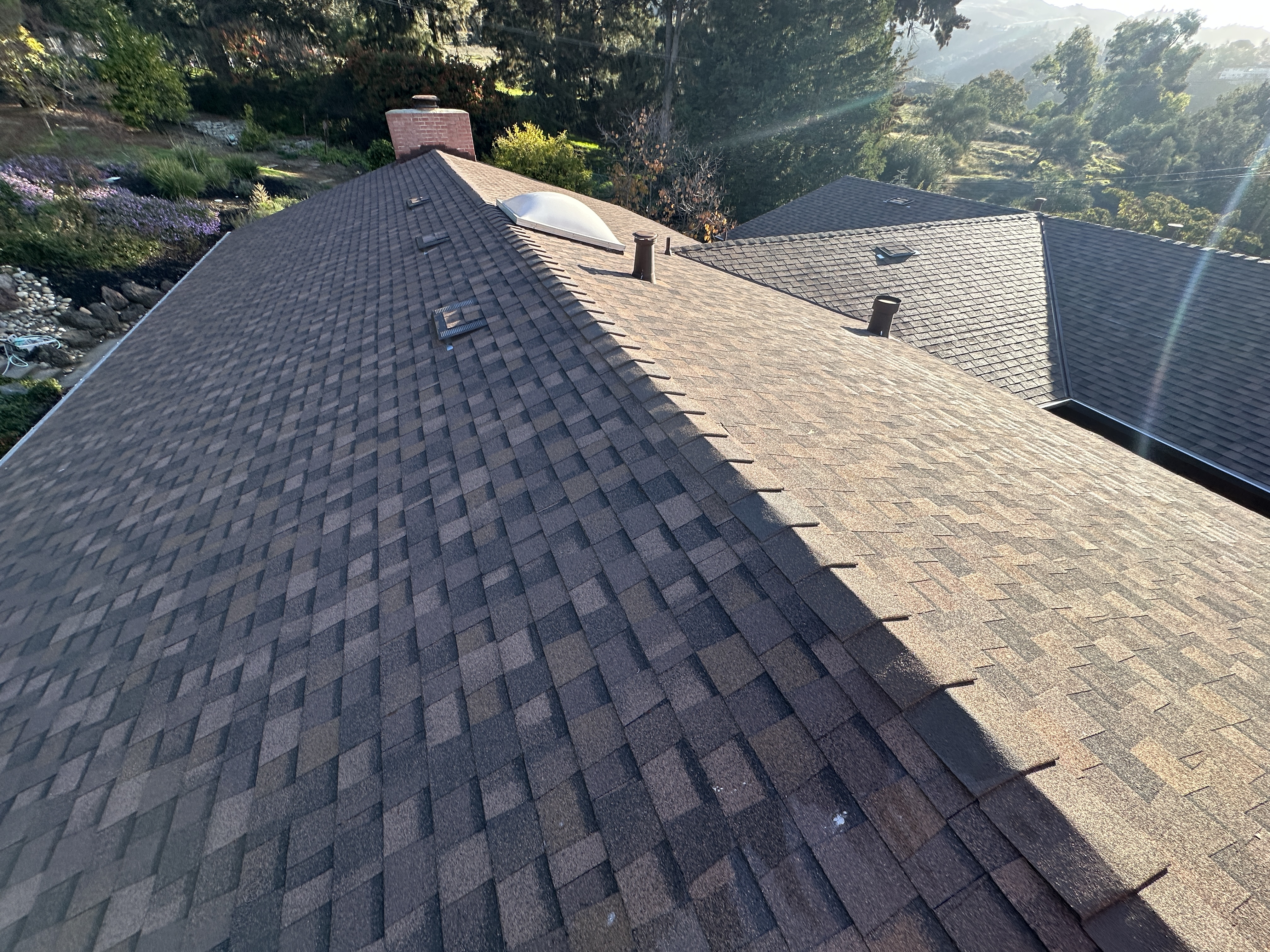
On Sacramento shingle roofs, the weak points are usually penetrations, pipe boots, flashings, and other details that spend months baking before winter rain tests them.

  • Heat-aware shingle selection and ventilation planning matter more here than on milder city pages.
  • Qualifying reroofs in Climate Zone 12 can require project-specific cool-roof review rather than a generic material swap.
  • Shingle roofs with chronic small leaks often point back to flashing, sealant, or attic-performance details instead of field shingles alone.
Compare roofing materials

Tile roofing

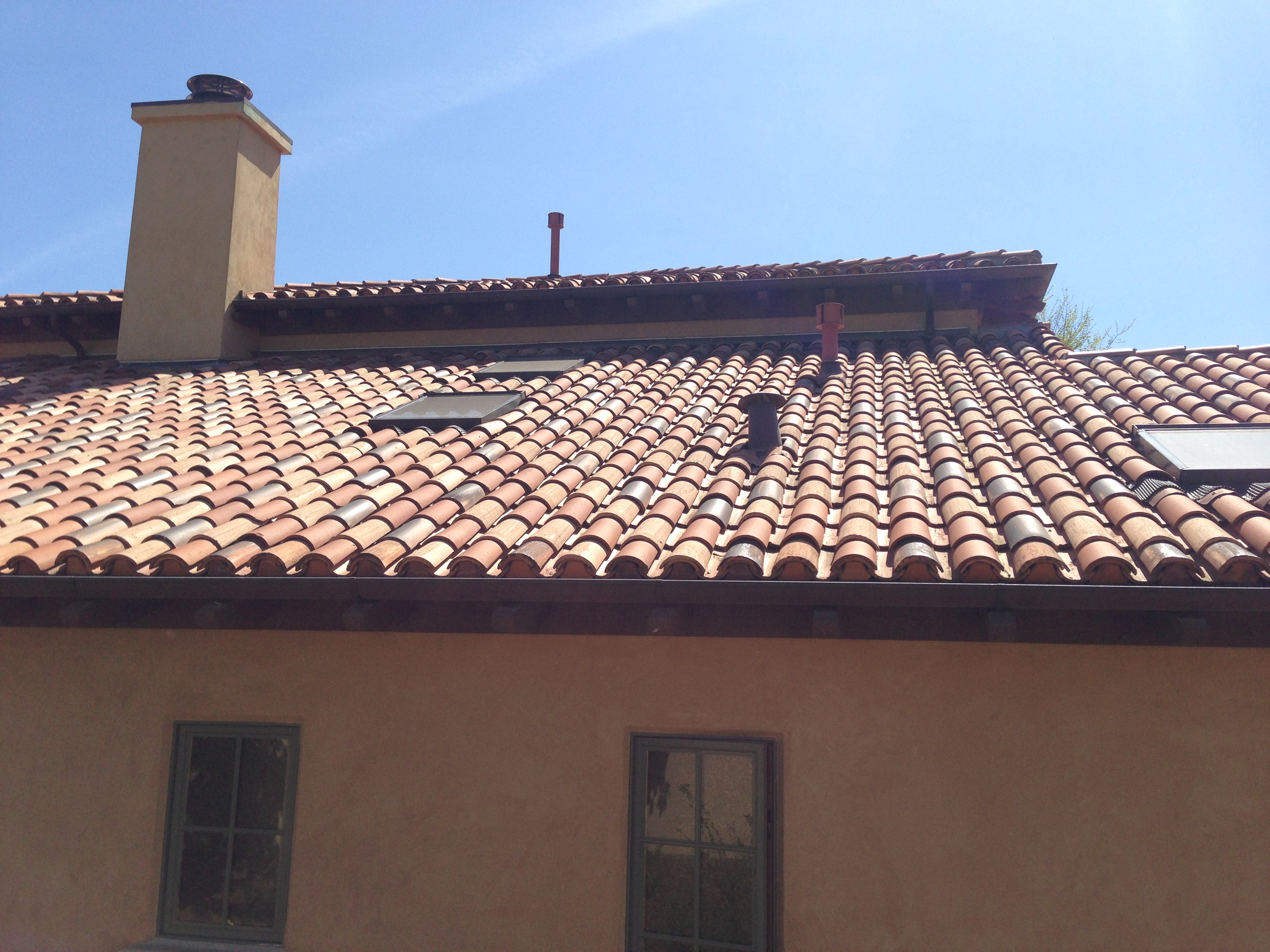
Sacramento tile roofs should be evaluated as assemblies, not just as visible tile surfaces. Many failures start below the tile at underlayment, valleys, flashings, and penetrations.

  • First-rain leaks are often tied to the water-control layers below the tile field, not to a dramatic broken-tile problem.
  • Valleys, roof-to-wall transitions, and penetrations deserve close review during repair and reroof planning.
  • High-mass assemblies can affect the energy path on qualifying reroofs, which is why tile jobs should be reviewed carefully instead of handled with blanket assumptions.
Review tile reroof planning

Gutters and drainage

Sacramento may be dry in summer, but winter runoff still concentrates quickly. Valley wash, outlet performance, overflow routes, and discharge direction should be treated as roof-performance details.

  • The city's 3 inch-per-hour drainage sizing context supports stronger conversation around gutter capacity and roof-edge drainage performance.
  • Dry-season debris can reduce outlet capacity right when the first storms arrive.
  • Good drainage planning protects fascia, siding, lower roof sections, and foundations as much as it protects the gutter itself.
See gutter and drainage work

Skylights / sun tunnels

Daylighting details in Sacramento should balance waterproofing and heat management. The question is not only whether the opening leaks, but whether the unit and flashing assembly still make sense for the roof and exposure.

  • Leak diagnosis should separate flashing failure from glazing, curb, or surrounding roof-assembly issues.
  • Replacement units can raise project-specific energy questions in addition to flashing and reroof integration questions.
  • Summer solar gain is part of the homeowner comfort conversation on Sacramento roofs.
See skylights and sun tunnels

Re-roofing systems

A Sacramento reroof works best when covering, underlayment, flashings, penetrations, drainage, and attic-performance decisions are reviewed together.

  • Minor permit treatment does not eliminate the need for careful scope definition before the roof is opened.
  • Replacement planning should sort out repair history, exposed deck risk, flashing compatibility, and energy-path questions before materials are ordered.
  • The best Sacramento reroofs fix the reasons a roof was failing, not just the surface that was visible from the street.
Review re-roof planning

Ventilation / attic performance

Hot upstairs rooms, HVAC strain, and ducts baking in the attic are often part of the same Sacramento inspection story as reroof timing, vent layout, and roof-assembly performance.

  • Balanced intake and exhaust matter because Sacramento's inland heat can turn attic spaces into major comfort and energy liabilities.
  • Inspection and reroof conversations should include vent pathways, duct location, and whether attic conditions support an exception path on a qualifying project.
  • Ventilation does not replace leak repair, but it changes how well the whole roof system performs in Sacramento's climate.
See inspection and attic-performance review

Sacramento roofing FAQ

Do reroofs require permits in Sacramento?

Yes. Sacramento lists reroofing as permit-required work and typically treats straight reroofs as minor permits, which still need permit issuance before work starts.

When do reroof energy or cool-roof rules become relevant?

On many residential jobs, the main trigger is replacing more than 50% of the existing roof area, but the actual code path still depends on slope, roof assembly, insulation, duct location, roof mass, and other project-specific factors.

Why do leaks often show up with the first winter storms?

Sacramento's long hot dry season can age sealants, pipe boots, flashings, and underlayment quietly. Once winter rain returns, those weak details are tested all at once.

Why does the upstairs feel much hotter in summer?

In Sacramento, attic heat load is a major part of roof performance. Vent layout, duct location, insulation conditions, and roof assembly choices can all affect how much heat builds above the ceiling.

Do gutters and roof-edge drainage matter in a dry-summer climate?

Yes. Sacramento's rain is concentrated in the colder months, and the city still uses a 3 inch-per-hour drainage basis, so valley runoff, outlet capacity, overflow control, and discharge routing all matter.

What should be checked on tile roofs in Sacramento?

Look beyond the tile surface. Underlayment, valleys, flashings, penetrations, and other water-control layers often explain Sacramento tile leaks better than the visible tile field does.

Do replacement skylights involve energy-performance considerations?

They can. Replacement skylights are not only flashing details; statewide energy requirements such as U-factor and SHGC can matter depending on the scope.

Need a Sacramento roof scope that accounts for heat, leaks, and drainage?

If you are sorting out a first-rain leak, planning a reroof, dealing with hot upstairs rooms, or trying to fix overflow before winter, we can inspect the roof and outline the next practical step.

Request an Estimate